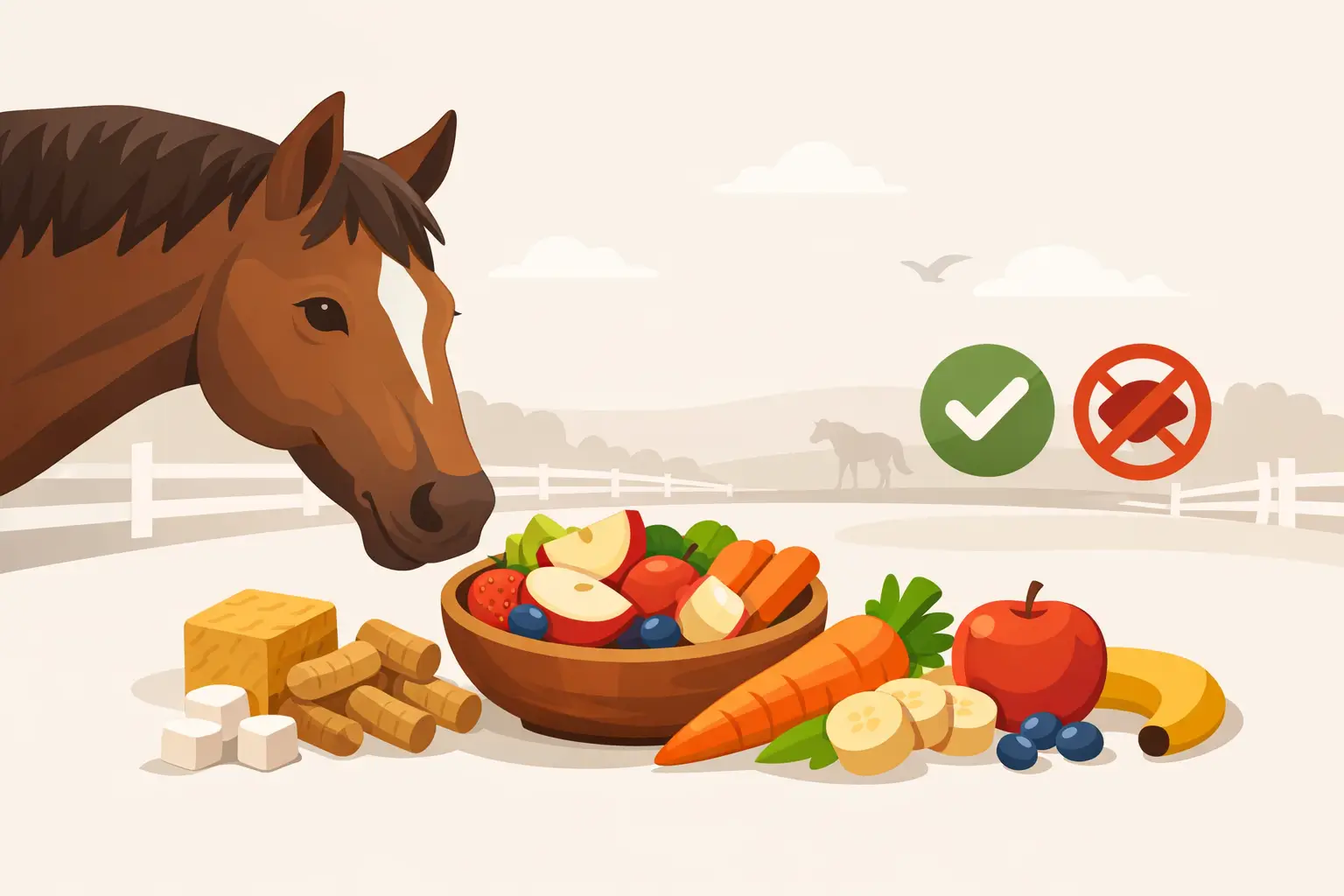
That hopeful nudge at your pocket can make any owner soften, but when you are choosing a reward for a much-loved horse, charm should never be the only test. If you have ever wondered what treats can horses eat, the short answer is simple - horses can enjoy a range of suitable treats, but the best choices are natural, well-portioned, and appropriate for that individual horse’s health, age, and workload.
A good treat should feel like exactly that - a small pleasure, not a nutritional gamble. For many horses, the safest options are familiar, straightforward foods offered in sensible amounts. Think of treats as part of thoughtful care rather than an open-ended snack habit.
What treats can horses eat day to day?
Most owners already know the classics because they have stood the test of time. Apples and carrots remain favourites for good reason. They are widely enjoyed, easy to offer, and feel wholesome. Pears can also suit many horses in small pieces, and some horses enjoy a slice of banana. A few may even appreciate a small piece of watermelon, though it is hardly a stable-yard staple in Britain.
There is, however, a difference between a horse liking something and it being the right choice to feed regularly. Fruit is naturally higher in sugar than many owners realise, so while an apple slice can be a lovely reward, several apples a day is another matter. Carrots often feel like the safer option, but they still need moderation, especially for horses prone to weight gain or metabolic concerns.
Plain, horse-made treats are often the easiest route when you want something a little more polished than cut veg. The key is ingredient quality. Treats made with natural ingredients, without artificial colours, flavours, or preservatives, tend to appeal to owners who want equine indulgence without unnecessary extras. Handcrafted treats can also offer a more consistent size and texture, which helps with portion control.
Safe horse treats depend on the horse
This is the part that matters most. There is no single list of treats that suits every horse in every circumstance.
A fit horse in regular work may cope perfectly well with the occasional fruit-based reward, while a native pony who gains weight by looking at grass may need a far stricter approach. Horses with laminitis risk, insulin resistance, equine metabolic syndrome, PPID, or digestive sensitivity often need a more careful hand. In those cases, even traditional treats may need limiting or avoiding altogether.
Older horses can present another consideration. If chewing is difficult, hard chunks of carrot or apple may not be ideal. Softer treats, or treats broken into smaller pieces, are usually kinder and safer. Youngsters, on the other hand, may need treats introduced with good manners in mind. A horse that starts mugging pockets is not enjoying a luxury experience - he is learning a bad habit.
If your horse is on a restricted diet, the safest rule is to treat the reward as part of the total feeding plan. That may sound less romantic than slipping one more snack over the stable door, but it is often the difference between indulgent and unwise.
What treats can horses eat safely without causing problems?
Safety is not only about ingredients. It is also about shape, size, texture, and how the treat is fed.
Large pieces of apple or carrot should always be cut into manageable chunks, particularly for greedy horses who snatch and bolt their food. Round items can be a choking hazard if fed carelessly. Hard treats should be the right size to chew comfortably, and anything stale, sticky in an odd way, or crumbling unpredictably should be avoided.
It also helps to think about the feeding moment itself. Horses that become overexcited for treats can start nipping, barging, or searching clothing and hands. For some, offering treats in a bucket or feed bowl is the tidier choice. For others, hand-feeding is perfectly fine if boundaries are clear and consistent.
Then there is frequency. A treat should remain a treat. If rewards become constant through the day, they stop being special and start affecting the overall diet. A few carefully chosen rewards often do more good than endless handfuls of something average.
The best natural treats for horses
Natural does not automatically mean suitable, but it is still a sensible place to start. Many horse owners prefer treats with recognisable ingredients because they want to know exactly what is being offered.
Apples, carrots, pears, and small amounts of banana are common examples. Some horses also enjoy herbs such as mint, provided they are introduced sensibly and suit the horse. Oat-based or fibre-based horse treats can also work well when they are made specifically for equine diets and kept free from unnecessary fillers.
This is where quality really shows. A thoughtfully made treat should smell fresh, feel well made, and offer a rewarding texture without relying on garish colours or artificial flavouring. For owners who enjoy making care feel special, a handcrafted horse treat offers something beyond convenience. It turns a simple reward into a small ritual of affection.
That does not mean richer or more indulgent always equals better. It depends on your horse. Some will suit occasional luxury treats beautifully. Others need plainer, lower-sugar options. The right choice is the one that balances pleasure with the realities of that horse’s health.
Treats to avoid giving horses
Some foods are best left well away from the feed room. Chocolate, sweets, crisps, cakes, and heavily processed human snacks have no place in a horse’s routine. Bread is often given with good intentions, but it is not an ideal treat and can be fed far too casually. Anything mouldy, spoiled, or fermenting should be an immediate no.
There are also foods that may seem harmless simply because another animal eats them. Horses have very different digestive needs, and rich, heavily seasoned, or oily foods can upset that balance quickly. If a treat is designed for people and tastes as though it belongs with a cup of tea, it is usually not one for the yard.
Another point often missed is quantity. Even safe foods become unsuitable if fed too much. A horse does not need a carrier bag of carrots to feel loved. One or two well-chosen pieces can be every bit as satisfying.
Using treats well in training and care
Treats are not only about spoiling a horse. Used thoughtfully, they can be genuinely useful. They can reinforce calm behaviour, reward effort, create positive associations with clipping or loading, and help routine handling feel easier for anxious horses.
The quality of the treat matters here because motivation matters. A reward that a horse truly values can make training clearer and kinder. At the same time, the horse should not become frantic or pushy for it. That balance is part of good horsemanship.
Treats can also be especially valuable when medication is involved. Tablets, capsules, and wormers can turn an ordinary day into a negotiation, and many owners know the frustration of a horse who suddenly develops a forensic ability to detect anything hidden in feed. A purpose-made, medication-friendly treat can make this far less stressful for both horse and human.
That practical side of indulgence is worth appreciating. A treat can be lovely and useful at once. For many owners, that is the sweet spot - something crafted with care, made from quality ingredients, and designed to solve a real everyday problem.
Choosing premium treats with confidence
If you are buying rather than chopping up produce at home, read the ingredients before anything else. Look for simple, recognisable components and avoid products crowded with artificial additions. Freshness matters too, especially when treats are made in small batches rather than sitting for ages in anonymous bulk packaging.
Texture and size should suit the way you plan to use them. A softer treat may work better for older horses or for hiding medication. A firmer treat may be useful as a clean, rewarding hand-fed option. Flavour can make a difference as well, especially for fussy horses who turn routine rewards into a personal critique.
For owners who want something more elevated than generic feed-room extras, premium horse treats offer a lovely middle ground. They can feel giftable, considered, and genuinely special while still being grounded in practical horse care. Highland Horse Sweets was built around that very idea - handcrafted equine indulgence that feels luxurious, but never loses sight of what owners actually need at the yard.
The nicest treats are the ones you can give with confidence. Not because the packaging is pretty, but because the ingredients, portion, and purpose all make sense for the horse in front of you.
When you are deciding what to offer, let your horse’s health lead and your standards stay high. A good treat should bring a moment of pleasure, support good habits, and feel worthy of the horse you love.