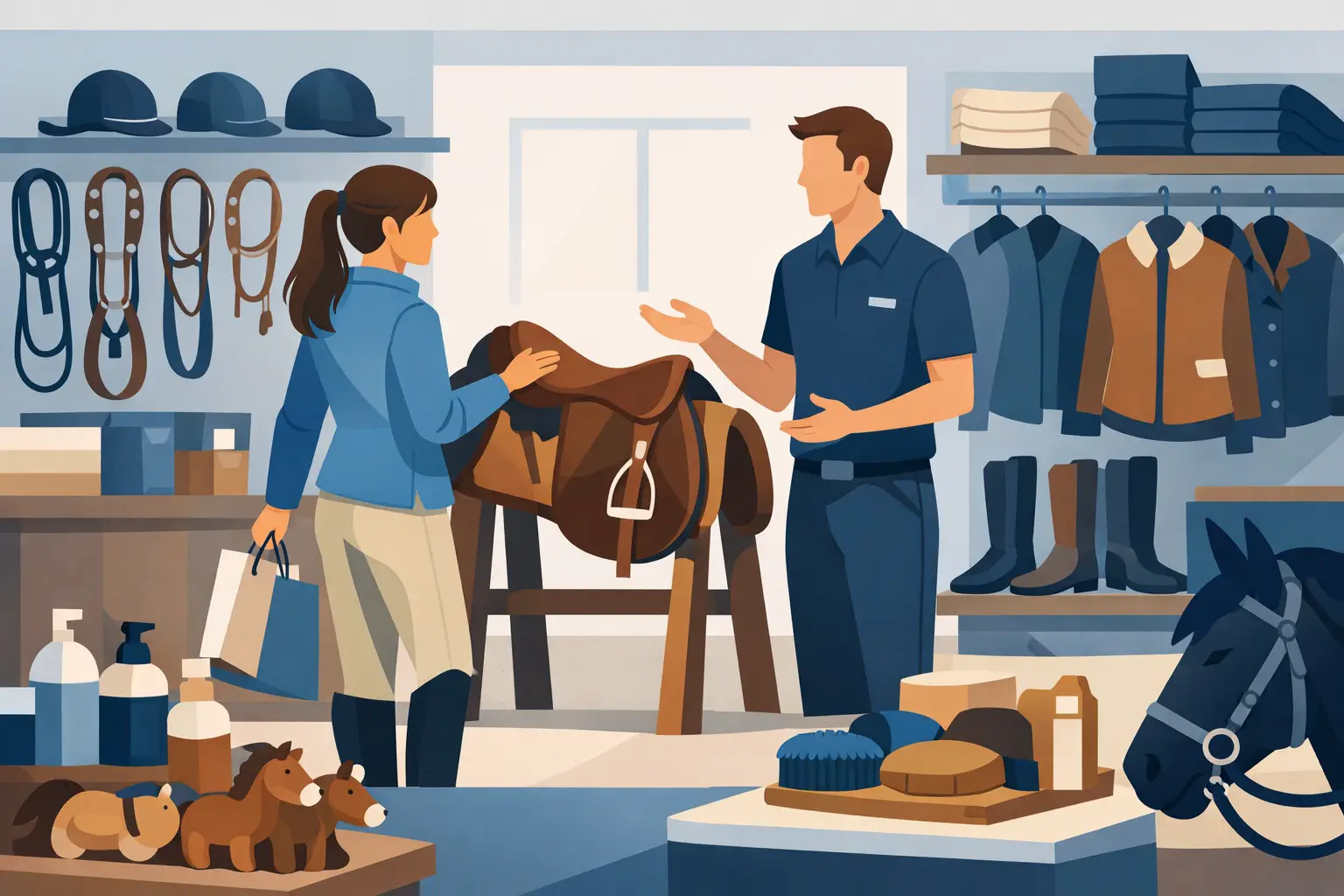
A rider may come into a tack shop for fly spray, a new lead rope or a last-minute pair of gloves. The purchase that delights them most is often the small extra found at the counter: a beautiful treat for the horse waiting at home. That is why thoughtful tack shop merchandising matters. It turns a useful retail visit into a warmer, more memorable experience for both horse and owner.
For independent tack shops, every shelf has to earn its place. Premium treats are not simply an add-on; displayed well, they create a natural reason to browse, gift, reward and return. The difference lies in presenting them as something special rather than allowing them to disappear among the everyday essentials.
Start With the Horse Owner's Moment
The best merchandising begins with the question behind the purchase. Is the customer picking up a small reward after a lesson? Looking for a thoughtful present for a horse-owning friend? Trying to make tablets or worming less of a battle? Or treating the horse who has been clipped, travelled, competed or simply been wonderfully patient?
Each of these moments calls for a slightly different display. A premium horse truffle deserves the same care in presentation as a quality box of chocolates. It should feel giftable at a glance, with clean packaging, clear flavour cues and enough room for the product to be admired. Medication-friendly treats, meanwhile, should sit where their practical value is immediately understood - close to everyday care products, the counter, or in a clearly marked problem-solver display.
A single mixed shelf can make sense in a small shop, but it still needs a story. Group luxury rewards together, place practical care treats nearby, and make seasonal offerings easy to spot. Shoppers should not need to hunt for the reason a product belongs in their basket.
Tack Shop Merchandising Begins at Eye Level
The prime space in any shop is limited: eye level, counter level and the first display a customer sees when they enter. These positions should not be used only for high-ticket items. They are also ideal for small, considered purchases with a strong visual pull.
Treats placed low down, hidden behind bulky feed bags or squeezed into an overcrowded aisle are easy to miss. Give premium products breathing space. A shallow wooden crate, a neat riser or a simple tiered display can lift smaller packs into view without making the area feel fussy. The look should be polished but practical - at home in a working tack shop, yet lovely enough to encourage a customer to pause.
Use the counter with care. A cluttered till point feels like an afterthought, while a small, well-curated selection feels helpful. Choose a handful of easy-to-understand options: an indulgent reward, a gift-ready choice and a practical medication companion. Keep the display topped up, faced forward and free from damaged packaging.
The goal is not to crowd the customer into adding more. It is to offer a small pleasure they are genuinely pleased to have noticed.
Let Packaging Do Its Job
Premium packaging is a selling tool, not decoration. It signals freshness, care and quality before anyone has read a label. Where possible, display products front-facing rather than stacked sideways. Make flavour names, feeding guidance and key benefits visible.
If a product has a distinctive texture or handcrafted appearance, show it off appropriately. A small sample piece in a hygienic sealed display, a tasteful product card or a photograph can help customers understand what makes it different from an ordinary bag of pellets. For a brand such as Highland Horse Sweets, the molasses shell and flavoured centre provide a clear point of difference - but that story must be visible in seconds, not buried in a dense shelf label.
Avoid handwritten signs that make a luxury product look improvised. A simple printed card with a concise message works harder: “Handcrafted horse truffles”, “A little indulgence for the horse you love” or “A gentler way to hide tablets”. Keep claims accurate and specific. Customers appreciate clarity more than grand promises.
Build Displays Around Seasons and Stable Life
Equestrian retail is naturally seasonal, and your displays should move with the yard calendar. Spring brings turnout, show preparation and fresh routines. Summer is full of rallies, camps, competitions and travelling. Autumn lends itself to cosy gifts and post-hack rewards, while winter creates demand for practical care, thoughtful presents and small ways to brighten darker stable days.
Seasonal merchandising does not always mean a complete shop refit. A change of colour, a new sign and a tighter collection of relevant products can be enough. Around Christmas, premium treats can be presented as horse-friendly gifts rather than just feed. Before major local shows, position convenient reward packs and medication-friendly options where competitors will see them while collecting plaiting supplies, number bibs or grooming essentials.
Pay attention to the quieter occasions too. A customer buying bandages after a veterinary visit may appreciate a gentle, comforting reward for their horse. Someone choosing a birthday card for a yard friend may welcome a small treat box to go with it. These are not forced pairings when the products are chosen with genuine understanding of horse ownership.
Make Practical Products Easy to Understand
Medication treats solve a very real problem, but shoppers need confidence before trying something new. A clear explanation at the shelf can remove hesitation: designed to conceal tablets or capsules, suitable for use with paste medication where appropriate, and made for a less stressful routine.
Do not overcomplicate the message. Owners dealing with a suspicious horse want to know what the product is for, how to use it and whether it will suit their situation. A discreet card can explain the method: press the tablet into the treat, close it carefully, then offer it as a familiar reward. Encourage staff to be honest about the trade-off too. Some horses are exceptionally observant, and no product can guarantee cooperation from every individual. Freshness, flavour and a calm approach all play a part.
This honesty builds trust. It also gives your team permission to ask useful questions rather than delivering a rehearsed sales line. “Is it tablets or paste?” and “Is your horse usually suspicious of treats?” are often enough to guide a better recommendation.
Train Staff to Sell the Feeling, Not Just the Pack
A lovely display catches the eye; a confident conversation closes the sale. Staff do not need to memorise every ingredient, but they should understand the essential difference between an everyday treat and a handcrafted premium option.
Give them a few natural phrases that fit how horse people actually speak. They might mention that a product is made in small batches, free from artificial colours, flavours and preservatives, or ideal as a competition-day thank you. For medication-friendly treats, staff should be able to explain the practical benefit without making medical claims.
Sampling can be particularly effective at shows and special shop days, provided it is organised safely and with clear feeding information. A horse that eagerly accepts a sample makes an immediate impression on its owner. Even when in-store sampling is not possible, staff stories from customers and their own horses can add the warmth that online shopping cannot replicate.
Measure What Earns Its Space
Merchandising should feel creative, but it also needs to be commercial. Track which formats sell best: single packs near the till, gift boxes by cards, or practical treats alongside health care. Watch what happens when you change the display location or introduce a seasonal sign. A small notebook behind the counter can be enough for a family-run shop, while larger retailers may prefer weekly sales reports.
Look beyond the number of packs sold. Consider how quickly stock moves, whether customers buy more than one item, and whether a display prompts conversations that lead to other purchases. If a beautiful product does not move, the issue may be its position or its explanation rather than the product itself.
Refresh often, but do not constantly reinvent a display that works. Familiarity helps repeat customers find a favourite, while a seasonal detail gives them a reason to look again.
A well-merchandised treat display is a small act of understanding. It recognises that the person at the counter is rarely shopping for “a horse treat” alone. They are buying a reward after a good ride, a peace offering after a difficult dose of medicine, or a little moment of joy for the horse they love. Give that moment the space it deserves.